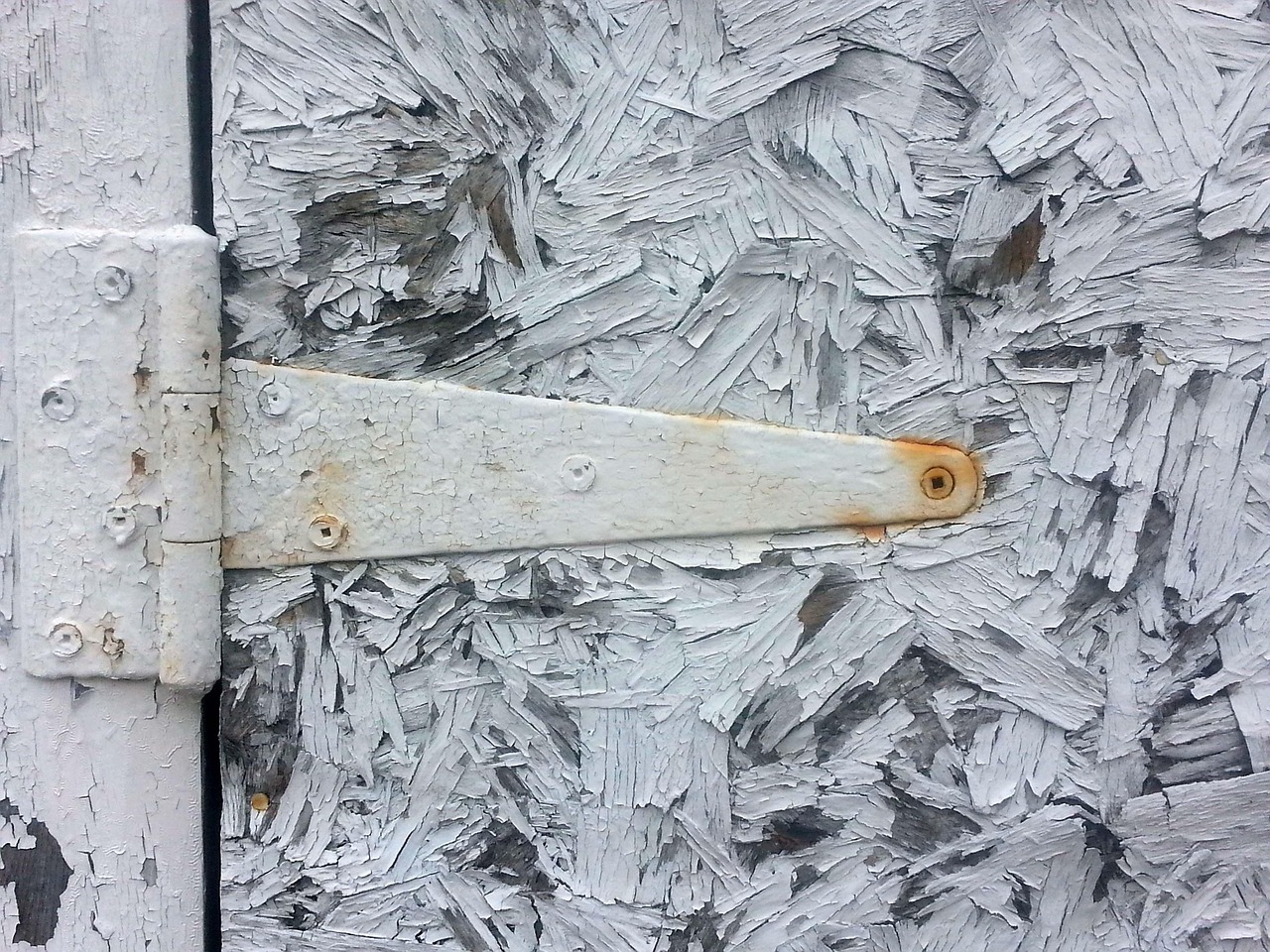
Rancho Cucamonga Painting Hub is a local resource covering painting contractor in Rancho Cucamonga, CA. The guides below explain materials, typical costs, local considerations, and how the work is usually done.
Understanding the Environmental Challenges of Rancho Cucamonga
Maintaining the exterior appearance of a home in Rancho Cucamonga requires an understanding of the unique local climate. The Inland Empire experiences specific weather patterns that differ significantly from coastal regions. Homeowners often deal with intense sun exposure and high temperatures, which can impact how paint behaves on various surfaces. The proximity to the San Gabriel Mountains and the influence of the Cucamonga Valley create a landscape where heat and wind are constant factors in home maintenance.
The local geography plays a major role in the wear and tear of exterior finishes. When wind blows off the San Gabriel foothills, it carries more than just air. It carries dust, grit, and debris that can settle on wet surfaces. This environmental context means that a standard painting approach might not yield the same longevity as it would in a more temperate or humid climate. Whether a home is located in the established neighborhoods of Alta Loma or the newer developments in Etiwanda, the sun and wind remain consistent challenges.
The Impact of Intense UV Exposure
One of the most significant factors for any homeowner in San Bernardino County is the strength of the ultraviolet rays. The sun in the Inland Empire is powerful, and this solar radiation is a primary cause of pigment degradation. Over time, the colors on an exterior wall will begin to fade. This process, known as UV fading, happens as the sun breaks down the chemical bonds in the paint pigments. Darker colors often show this effect more prominently than lighter shades, as they absorb more heat and radiation.
To combat this, selecting paint with high UV resistance is essential. Many modern exterior paints are formulated with specific resins and pigments designed to withstand the harsh light found in the Cucamonga Valley. If a home has accent walls or decorative trim, these areas might require more frequent attention if they are positioned in direct sunlight throughout the day. Understanding which sides of a house receive the most direct sun can help in planning future maintenance cycles.
Managing the Santa Ana Winds and Dust
The Santa Ana winds are a well known phenomenon in this region. These winds blow from the higher elevations of the San Gabriel Mountains down toward the valley floor. They are typically hot, dry, and very strong. For a homeowner planning an exterior paint project, these wind events present several practical difficulties. The primary issue is airborne dust and particulate matter. When paint is applied, it must remain undisturbed while it cures. If a Santa Ana wind event occurs during the drying process, dust can become embedded in the fresh coating, leading to a gritty or uneven texture.
Wind also affects the application method. Spray painting is a common and efficient way to cover large areas of stucco, but it is highly susceptible to wind. High gusts can carry the fine mist of paint far from the intended target, potentially landing on nearby vegetation, vehicles, or windows. In areas like Etiwanda, where homes may be closer to open hillsides, the wind can be particularly unpredictable. Monitoring local weather patterns and timing the application during calm periods is a vital part of a successful project.
Surface Preparation in the Inland Empire
Successful painting depends heavily on the quality of the preparation. Because many homes in Rancho Cucamonga consist of stucco surfaces, particularly those built in tract developments from the 1980s through the 2000s, cleaning is a critical first step. Stucco is a porous material that can trap dust, dirt, and organic growth within its texture. Pressure washing is often used to remove these contaminants, but it must be done carefully. Excessive pressure can damage the stucco or force water too deeply into the substrate.
Once the surface is clean and dry, the condition of the existing materials must be assessed. This includes checking the integrity of the caulk around windows, doors, and where different materials meet. Old, cracked caulk can allow moisture to seep behind the stucco, which can lead to larger structural issues. Replacing old caulk with high quality, flexible versions ensures that the seal remains intact despite the expansion and contraction caused by daily temperature swings.
For older homes, specifically those built before certain regulatory changes, it is important to be aware of the potential for lead paint. While most modern tract homes do not have this issue, older properties require caution. If scraping or sanding is necessary, following safety protocols regarding old paint is a standard requirement for any homeowner. Additionally, applying a primer is a necessary step if the surface is bare, heavily stained, or if there is a significant color change planned. A good primer creates a uniform surface that helps the topcoat adhere properly.
Timing the Project for Success
Choosing the right time of year to paint is perhaps the most important decision a homeowner can make in Rancho Cucamonga. While the summer months offer plenty of daylight, the extreme heat can be a disadvantage. High temperatures cause paint to dry too quickly. When paint dries too fast, it may not have enough time to level out, which can result in visible brush marks or an uneven finish. Rapid drying can also prevent the paint from properly bonding to the surface, which may lead to peeling or flaking in the future.
The best times for exterior painting are typically during the spring or the fall. During these seasons, the temperatures are more moderate, allowing for a controlled drying process. The humidity levels are also generally more stable, which is beneficial for the chemical curing of the paint. Spring offers the advantage of preparing a home for the upcoming heat, while fall allows the paint to cure before the winter months. Avoiding the peak of the summer heat and the most active periods of the Santa Ana winds will significantly increase the chances of a durable finish.
Material Selection and Environmental Considerations
When selecting paint, homeowners should look for products that address the specific needs of the local environment. This includes looking for low volatile organic compounds, also known as VOCs. While VOCs are primarily a concern for indoor air quality, many homeowners prefer low VOC options for any project to minimize the release of chemicals into the surrounding air. Additionally, the type of finish selected matters. For stucco and other textured surfaces, a finish that allows for some breathability can be beneficial, helping to prevent moisture from being trapped within the walls.
Different parts of a home may require different products. For example, wood trim or gates may require a wood stain rather than a standard paint to maintain the natural look of the material while providing protection against the sun. Understanding the difference between various coatings and their intended uses ensures that the right product is applied to the right surface. This is especially important for maintaining the aesthetic value of homes in neighborhoods with specific guidelines, such as those governed by homeowner associations.
Summary of Best Practices
To ensure a long lasting exterior finish in the Rancho Cucamonga area, follow these practical steps:
Perform thorough cleaning through pressure washing to remove dust from stucco and siding.
Inspect and replace all old caulk to prevent moisture intrusion.
Use a high quality primer to ensure proper adhesion, especially on porous surfaces.
Select paints with high UV resistance to minimize fading from the intense sun.
Schedule painting during moderate temperatures to avoid the pitfalls of fast drying.
Monitor wind reports to avoid applying paint during Santa Ana wind events.
Ensure all surfaces are completely dry before beginning any application.
By respecting the local climate and preparing the home surface meticulously, homeowners can protect their property from the elements. Whether dealing with the heat of the Cucamonga Valley or the dust of the foothills, a well planned painting project provides both aesthetic beauty and essential protection for the home.
Understanding Stucco Maintenance in the Inland Empire
Homeowners living in the Rancho Cucamonga area face unique environmental challenges that affect the longevity of exterior finishes. The local climate, characterized by hot and dry summers, intense sunlight, and the powerful Santa Ana winds blowing off the San Gabriel foothills, creates a demanding environment for residential exteriors. Many of the tract homes built between the 1980s and the 2000s throughout neighborhoods like Alta Loma and Etiwanda feature stucco as a primary exterior material. While stucco is a durable choice, the constant cycle of heat expansion and wind driven dust requires a proactive approach to repainting and surface maintenance.
Maintaining the aesthetic and structural integrity of a stucco home involves more than just applying a new layer of color. It requires a deep understanding of how the material reacts to the local atmosphere and how to prepare the surface for a long lasting finish. Because many homes in the Cucamonga Valley were constructed during specific eras of residential development, they often share similar structural patterns and stucco textures that dictate how paint should be applied.
The Difference Between Paint and a Color Coat
A common misconception among homeowners is that painting a house is the same as applying a new color coat. It is vital to distinguish between these two processes to ensure the right expectations are met during a renovation. A color coat, often referred to as a synthetic stucco or an EIFS finish, is a thick layer of material that is applied over the existing substrate to create a new texture or a completely new look. This process changes the physical dimension of the wall. In contrast, painting involves applying a liquid coating over the existing stucco texture to provide color and protection.
For most tract homes in San Bernardino County, repainting is the standard method for refreshing the appearance. Paint acts as a sacrificial layer that protects the underlying stucco from UV damage and moisture. In the Inland Empire, where the sun is particularly strong, the paint layer takes the brunt of the ultraviolet radiation. Over time, this layer will fade or chalk, which is why regular repainting is necessary to prevent the sun from degrading the actual stucco material.
Preparing the Surface for Success
The success of any stucco painting project depends almost entirely on the preparation phase. If a surface is not properly cleaned and repaired, even the highest quality paint will peel or flake within a few years. In areas like Etiwanda, where dust from the surrounding mountains can settle heavily on surfaces, thorough cleaning is the first essential step.
Pressure Washing
The first step in preparation is often pressure washing. This process removes dirt, cobwebs, mildew, and loose debris from the stucco pores. However, caution is required when using high pressure on older stucco. If the stucco is already brittle or crumbling, excessive pressure can cause further damage. The goal is to achieve a clean surface without stripping away the fine texture of the material.
Crack Patching and Repair
Stucco is prone to hairline cracks caused by the natural settling of a home or the extreme temperature fluctuations common in Rancho Cucamonga. Before any paint is applied, these cracks must be addressed. Small cracks can often be filled with a specialized stucco patch or a high quality caulk designed for masonry. Larger cracks may require more intensive repairs to ensure the structural integrity of the wall is maintained. Ignoring these cracks can allow moisture to seep behind the stucco, leading to much larger issues such as rot or mold.
Addressing Lead Paint Concerns
While many tract homes in the region were built after the widespread ban on lead based paints, homeowners with older properties should remain cautious. If a home was built in an older era, testing for lead may be a prudent step before any sanding or scraping occurs. This ensures that the preparation process does not release harmful particles into the local environment.
The Role of Primers and Sealants
Once the surface is clean and repaired, the application of a primer becomes the next critical step. A primer is not merely an extra layer of color. It serves as a bonding agent that helps the topcoat adhere to the porous stucco surface. Because stucco is highly absorbent, it can soak up the moisture from a standard paint layer unevenly, leading to a blotchy or inconsistent finish. A dedicated masonry primer seals the pores and creates a uniform surface for the final color.
Using a primer is especially important in the Cucamonga Valley, where the dry air can cause paint to dry too quickly. If the paint dries too fast without a primer, it may not bond correctly to the substrate. Furthermore, sealants and caulk should be used around window frames, door trim, and where different materials meet, such as where stucco meets wood or metal. This prevents water from entering the gaps created by the movement of the house during temperature shifts.
Choosing the Right Paint and Application Method
When selecting paint for a stucco home, the type of coating matters as much as the color. For the intense heat of the Inland Empire, many homeowners opt for elastomeric coatings. These paints are thicker than standard acrylic paints and have the ability to stretch. This elasticity allows the paint to bridge small cracks and move with the house as it expands and contracts in the sun. While thicker, these coatings provide an extra level of water resistance.
Spray Painting vs. Rolling
There are two primary ways to apply paint to stucco: spraying or rolling. Spray painting is highly efficient, especially for homes with heavy textures. It allows the paint to get deep into the crevices of the stucco, ensuring complete coverage. However, spray painting requires significant masking of windows, doors, and landscaping to prevent overspray. Rolling is a more controlled method that can be easier to manage in tight spaces or near delicate plants, but it may require multiple passes to ensure the deep texture is fully saturated.
Volatile Organic Compounds (VOC)
Modern paint technology has made a significant shift toward products with low Volatile Organic Compounds (VOC). These compounds are the chemicals that evaporate as paint dries, often producing a strong odor. Choosing low VOC paints is a practical decision for homeowners who want to minimize odors inside and around the home during the painting process.
Navigating Neighborhood Rules and Aesthetics
In many planned communities throughout Rancho Cucamonga, homeowners must navigate the regulations of a Homeowner Association (HOA). These organizations often have strict guidelines regarding the colors and finishes allowed for exterior walls. Before selecting a color palette, it is important to review the specific architectural standards of the neighborhood. This is particularly true in upscale areas where maintaining a cohesive community aesthetic is a priority.
When choosing colors, many homeowners consider using accent walls or different colors for trim and architectural features. For example, a neutral tone might be used for the main stucco body, while a darker or contrasting shade is used for the eaves or window surrounds. This can add depth to the home and highlight specific architectural details common in homes built in the 1990s and 2000s.
Environmental Factors and Long Term Care
The geography of the region plays a silent but constant role in how a home ages. The proximity to the San Gabriel Mountains and the influence of the Santa Ana winds means that homes are frequently subjected to abrasive dust and debris. This can act like sandpaper on a paint finish over many years. Regular inspections of the stucco surface can help identify when the paint is beginning to fail.
A simple way to check the condition of the paint is to perform the chalk test. By rubbing a finger across the stucco, if a powdery residue comes off on your skin, the paint is undergoing oxidation and is nearing the end of its functional life. At this stage, the protection against UV rays is diminishing, and a fresh coat should be considered to prevent damage to the underlying stucco.
By understanding the specific needs of stucco in the Rancho Cucamonga climate, homeowners can make informed decisions about maintenance. Whether it is addressing cracks caused by the heat, choosing the right primer for the dry air, or ensuring compliance with local neighborhood standards, a methodical approach ensures that the home remains protected and visually appealing for years to come.
Maintaining Exterior Surfaces in the Inland Empire
Homeowners in Rancho Cucamonga face unique environmental challenges when it comes to exterior maintenance. The local climate is characterized by intense heat and high levels of ultraviolet exposure. During the summer months, the sun beats down on houses throughout the Cucamonga Valley, causing many exterior materials to fade or crack. Additionally, the Santa Ana winds often blow off the San Gabriel Mountains, carrying dust and debris that can settle into crevices. These factors combined can lead to the premature degradation of eaves, fascia boards, and garage doors. Regular maintenance and timely painting are essential to protecting the structural integrity of these components.
In neighborhoods like Alta Loma and Etiwanda, many homes consist of stucco tract housing built between the 1980s and the early 2000s. These homes often feature specific architectural details such as prominent eaves and wide fascia boards that require consistent care. When the protective paint layer fails, the underlying wood or metal is exposed to the elements, which can lead to more significant repair needs later on. Understanding the specific needs of these surfaces helps in planning a successful painting project.
Addressing Fascia and Eaves
The fascia is the long, narrow board that runs along the edge of the roofline. It serves a functional purpose by attaching the gutter system and protecting the ends of the roof rafters. The eaves are the undersides of the roof overhangs. Because these areas are often shaded, they can sometimes experience different types of wear than the main walls of a house. In Rancho Cucamonga, the primary enemy is often the drying effect of the hot, dry Inland Empire air, which can cause wood to shrink and pull away from joints.
Before any paint is applied to the fascia or eaves, the surface must be properly prepared. Failure to prepare these areas correctly will result in peeling paint within a short period. The following steps are typical for a professional grade preparation:
Cleaning: Using a pressure washer to remove dirt, cobwebs, and loose debris is often the first step. However, care must be taken not to use excessive pressure on older wood, as this can splinter the material.
Scraping: Any existing paint that is flaking or peeling must be scraped away completely. Leaving old, loose paint creates an uneven surface and prevents new paint from adhering.
Sanding: Sanding helps to smooth out the edges where old paint meets bare wood, creating a seamless transition.
Repairing: Any cracks or holes in the wood should be filled with a high quality wood filler.
Caulking: Applying a durable caulk to the joints between the fascia and the house or between different sections of wood is vital. This prevents moisture from entering the structure during rare but heavy rain events.
Once the surface is clean and smooth, a primer is applied. A primer acts as a bonding agent between the substrate and the topcoat. For wood surfaces in the San Bernardino County area, a primer that can handle high heat is often preferred. If a home was built before certain regulatory changes, it is important to be aware of the potential for lead paint in older homes. If lead paint is suspected, specialized cleaning and containment methods are necessary to ensure safety.
Painting Garage Doors and Entryways
Garage doors are often the largest single surface on the front of a home. In many parts of Rancho Cucamonga, garage doors are made of either metal or wood. Metal doors are prone to fading and heat absorption, while wood doors are susceptible to warping and cracking due to the dry climate. The front door, often used as an accent feature, also requires specific care to maintain its appearance and functionality.
For metal garage doors, the preparation involves degreasing the surface to remove any oils or road grime. Because metal expands and contracts significantly with the temperature swings common in the Inland Empire, the type of paint selected is critical. Using a paint designed for metal helps prevent bubbling and peeling. If the garage door has a textured finish, spray painting can sometimes provide a more even coat than a brush or roller, though it requires careful masking of the surrounding driveway and garage walls.
Wood garage doors and front doors require a different approach. If the wood has a natural grain that the homeowner wishes to highlight, a wood stain might be a better option than solid paint. A stain penetrates the wood fibers, providing protection while maintaining the organic look of the material. If painting, the process remains similar to the fascia: clean, sand, prime, and paint. For front doors, homeowners often choose colors that contrast with the stucco to create visual interest, similar to how one might use accent walls in an interior design scheme.
Environmental Considerations and Materials
When selecting paints and coatings, it is important to consider the environmental impact and the health of the household. Many modern paints are formulated with low levels of volatile organic compounds, also known as VOCs. VOCs are chemicals that can offgas into the air as the paint dries. Choosing low VOC options is a practical way to reduce odors and improve air quality during and after the painting process.
The weather in the Cucamonga Valley also dictates when painting should occur. Attempting to paint during the peak of a heatwave or when the Santa Ana winds are active can lead to poor results. High winds can blow dust onto wet paint, while extreme heat can cause the paint to dry too quickly, preventing it from leveling out and creating a smooth finish. Ideally, painting should be done during the milder morning hours or on days when the wind is calm.
Navigating Neighborhood Standards
Many residential areas in Rancho Cucamonga, particularly in the more established neighborhoods, are governed by homeowner associations. These organizations often have specific rules regarding the colors and finishes that can be used on the exterior of a home. Before beginning a project on the fascia, eaves, or garage doors, it is wise to review the guidelines provided by the local association. This ensures that the chosen color palette remains in compliance with community standards and prevents the need for costly repainting later.
While the stucco walls of a home might be a neutral beige or tan, the trim and doors offer an opportunity to refresh the overall aesthetic. A well maintained exterior not only improves curb appeal but also serves as a protective barrier against the harsh local environment. From the foothills near Cucamonga Peak to the flatter areas near Foothill Boulevard, the importance of exterior upkeep remains a constant for all residents.
Summary of Maintenance Best Practices
To ensure the longevity of exterior painted surfaces, homeowners should adopt a proactive approach. Waiting until paint is visibly peeling often means that the underlying material has already begun to suffer damage. A regular inspection of the eaves and fascia can identify small cracks or signs of wood rot before they become major issues.
Consider the following checklist for long term maintenance:
Inspect the fascia boards annually for signs of warping or moisture damage.
Check the caulking around window frames and door frames to ensure it remains intact.
Wash the garage door periodically to prevent the buildup of dust and grit from the Santa Ana winds.
Observe the color of the paint on south facing surfaces, as these areas receive the most intense sun exposure.
Monitor the condition of the eaves for any signs of peeling or bubbling paint.
By staying mindful of the specific environmental stressors in the Inland Empire, homeowners can make informed decisions about when to repair, when to prime, and when to repaint. Whether dealing with the classic stucco homes of the 1990s or more modern constructions, the principles of proper preparation and material selection remain the foundation of a durable and attractive exterior.