Home / Painting Eaves, Fascia and Garage Doors in Rancho Cucamonga
Painting Eaves, Fascia and Garage Doors in Rancho Cucamonga
Maintaining Exterior Surfaces in the Inland Empire
Homeowners in Rancho Cucamonga face unique environmental challenges when it comes to exterior maintenance. The local climate is characterized by intense heat and high levels of ultraviolet exposure. During the summer months, the sun beats down on houses throughout the Cucamonga Valley, causing many exterior materials to fade or crack. Additionally, the Santa Ana winds often blow off the San Gabriel Mountains, carrying dust and debris that can settle into crevices. These factors combined can lead to the premature degradation of eaves, fascia boards, and garage doors. Regular maintenance and timely painting are essential to protecting the structural integrity of these components.
In neighborhoods like Alta Loma and Etiwanda, many homes consist of stucco tract housing built between the 1980s and the early 2000s. These homes often feature specific architectural details such as prominent eaves and wide fascia boards that require consistent care. When the protective paint layer fails, the underlying wood or metal is exposed to the elements, which can lead to more significant repair needs later on. Understanding the specific needs of these surfaces helps in planning a successful painting project.
Addressing Fascia and Eaves
The fascia is the long, narrow board that runs along the edge of the roofline. It serves a functional purpose by attaching the gutter system and protecting the ends of the roof rafters. The eaves are the undersides of the roof overhangs. Because these areas are often shaded, they can sometimes experience different types of wear than the main walls of a house. In Rancho Cucamonga, the primary enemy is often the drying effect of the hot, dry Inland Empire air, which can cause wood to shrink and pull away from joints.
Before any paint is applied to the fascia or eaves, the surface must be properly prepared. Failure to prepare these areas correctly will result in peeling paint within a short period. The following steps are typical for a professional grade preparation:
- Cleaning: Using a pressure washer to remove dirt, cobwebs, and loose debris is often the first step. However, care must be taken not to use excessive pressure on older wood, as this can splinter the material.
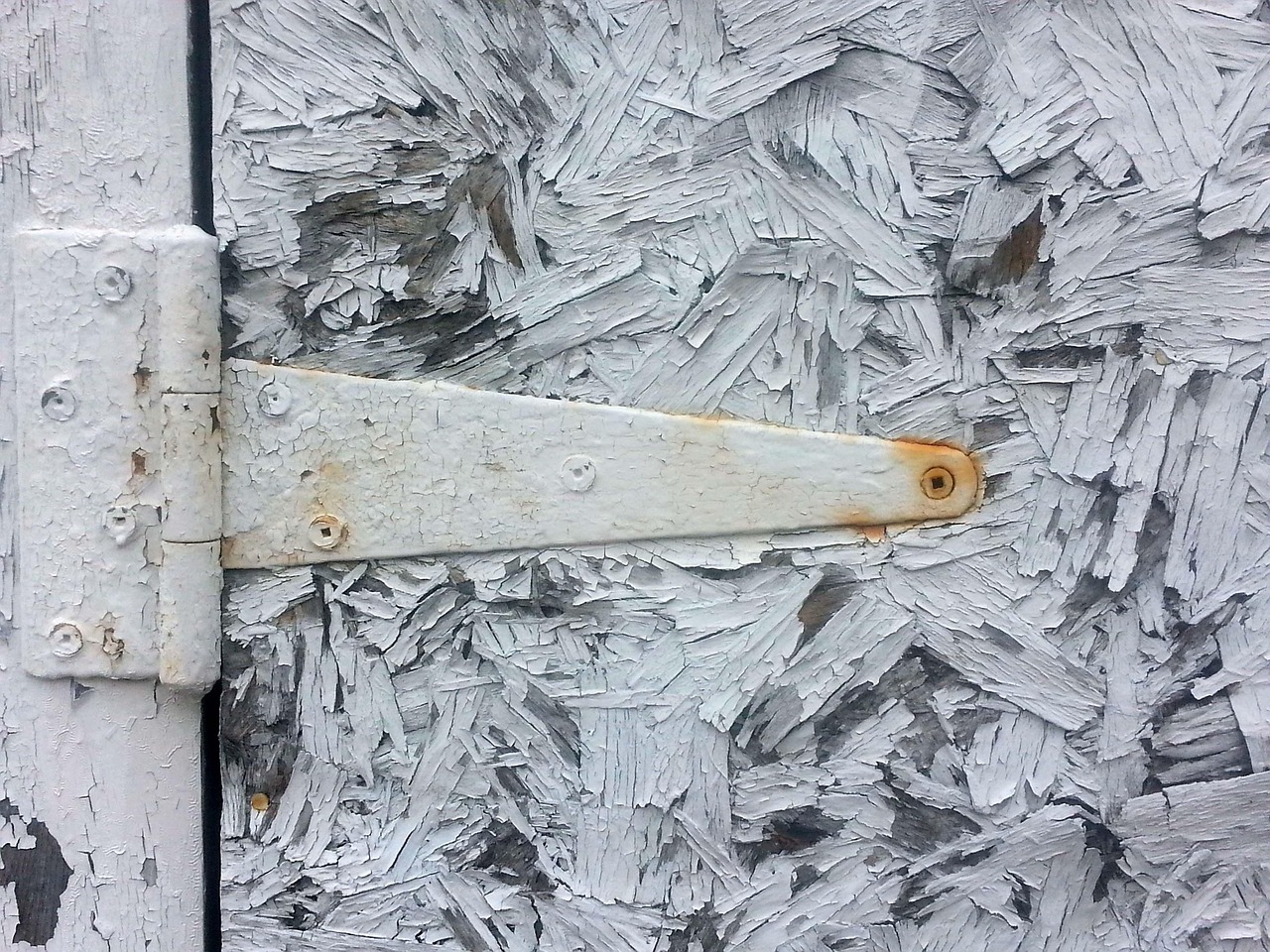
- Scraping: Any existing paint that is flaking or peeling must be scraped away completely. Leaving old, loose paint creates an uneven surface and prevents new paint from adhering.
- Sanding: Sanding helps to smooth out the edges where old paint meets bare wood, creating a seamless transition.
- Repairing: Any cracks or holes in the wood should be filled with a high quality wood filler.
- Caulking: Applying a durable caulk to the joints between the fascia and the house or between different sections of wood is vital. This prevents moisture from entering the structure during rare but heavy rain events.
Once the surface is clean and smooth, a primer is applied. A primer acts as a bonding agent between the substrate and the topcoat. For wood surfaces in the San Bernardino County area, a primer that can handle high heat is often preferred. If a home was built before certain regulatory changes, it is important to be aware of the potential for lead paint in older homes. If lead paint is suspected, specialized cleaning and containment methods are necessary to ensure safety.
Painting Garage Doors and Entryways
Garage doors are often the largest single surface on the front of a home. In many parts of Rancho Cucamonga, garage doors are made of either metal or wood. Metal doors are prone to fading and heat absorption, while wood doors are susceptible to warping and cracking due to the dry climate. The front door, often used as an accent feature, also requires specific care to maintain its appearance and functionality.
For metal garage doors, the preparation involves degreasing the surface to remove any oils or road grime. Because metal expands and contracts significantly with the temperature swings common in the Inland Empire, the type of paint selected is critical. Using a paint designed for metal helps prevent bubbling and peeling. If the garage door has a textured finish, spray painting can sometimes provide a more even coat than a brush or roller, though it requires careful masking of the surrounding driveway and garage walls.
Wood garage doors and front doors require a different approach. If the wood has a natural grain that the homeowner wishes to highlight, a wood stain might be a better option than solid paint. A stain penetrates the wood fibers, providing protection while maintaining the organic look of the material. If painting, the process remains similar to the fascia: clean, sand, prime, and paint. For front doors, homeowners often choose colors that contrast with the stucco to create visual interest, similar to how one might use accent walls in an interior design scheme.
Environmental Considerations and Materials
When selecting paints and coatings, it is important to consider the environmental impact and the health of the household. Many modern paints are formulated with low levels of volatile organic compounds, also known as VOCs. VOCs are chemicals that can offgas into the air as the paint dries. Choosing low VOC options is a practical way to reduce odors and improve air quality during and after the painting process.
The weather in the Cucamonga Valley also dictates when painting should occur. Attempting to paint during the peak of a heatwave or when the Santa Ana winds are active can lead to poor results. High winds can blow dust onto wet paint, while extreme heat can cause the paint to dry too quickly, preventing it from leveling out and creating a smooth finish. Ideally, painting should be done during the milder morning hours or on days when the wind is calm.
Navigating Neighborhood Standards
Many residential areas in Rancho Cucamonga, particularly in the more established neighborhoods, are governed by homeowner associations. These organizations often have specific rules regarding the colors and finishes that can be used on the exterior of a home. Before beginning a project on the fascia, eaves, or garage doors, it is wise to review the guidelines provided by the local association. This ensures that the chosen color palette remains in compliance with community standards and prevents the need for costly repainting later.
While the stucco walls of a home might be a neutral beige or tan, the trim and doors offer an opportunity to refresh the overall aesthetic. A well maintained exterior not only improves curb appeal but also serves as a protective barrier against the harsh local environment. From the foothills near Cucamonga Peak to the flatter areas near Foothill Boulevard, the importance of exterior upkeep remains a constant for all residents.
Summary of Maintenance Best Practices
To ensure the longevity of exterior painted surfaces, homeowners should adopt a proactive approach. Waiting until paint is visibly peeling often means that the underlying material has already begun to suffer damage. A regular inspection of the eaves and fascia can identify small cracks or signs of wood rot before they become major issues.
Consider the following checklist for long term maintenance:
- Inspect the fascia boards annually for signs of warping or moisture damage.
- Check the caulking around window frames and door frames to ensure it remains intact.
- Wash the garage door periodically to prevent the buildup of dust and grit from the Santa Ana winds.
- Observe the color of the paint on south facing surfaces, as these areas receive the most intense sun exposure.
- Monitor the condition of the eaves for any signs of peeling or bubbling paint.
By staying mindful of the specific environmental stressors in the Inland Empire, homeowners can make informed decisions about when to repair, when to prime, and when to repaint. Whether dealing with the classic stucco homes of the 1990s or more modern constructions, the principles of proper preparation and material selection remain the foundation of a durable and attractive exterior.