Home / Painting Metal Surfaces Outdoors
Painting Metal Surfaces Outdoors
Preparing Metal Surfaces for Success
Painting outdoor metal surfaces like gates, railings, and doors requires more preparation than painting wood or drywall. Metal reacts differently to environmental moisture and temperature changes. If the surface is not prepared correctly, the new coating will peel, flake, or bubble within a single season. Success depends on removing all existing contaminants and creating a stable base for the new finish.
For more local guides, see painting contractor rancho cucamonga journal.
The first step involves a thorough cleaning. Dust, grease, bird droppings, and salt buildup prevent paint from adhering to the metal. You should use a mild detergent and water to scrub the surface. For heavy grime, pressure washing can be effective, but you must exercise caution. High pressure can force water into small crevices or joints, which leads to trapped moisture and future rust. Always ensure the metal is completely dry before moving to the next stage.
Addressing Rust and Corrosion
Rust is the primary enemy of outdoor metal. If you apply paint directly over rust, the oxidation process will continue underneath the new layer, causing the paint to fail. You must remove all loose, flaky rust. This can be done using a wire brush, sandpaper, or a mechanical grinder. The goal is to reach solid, shiny metal where possible. If some deep pitting remains, a specialized rust converter may be necessary to stabilize the surface.
When working on older homes, you must be aware of the possibility of lead paint. If the metal surface was painted many decades ago, it may contain lead. Disturbing this paint through sanding or scraping can release hazardous dust. In these cases, using wet sanding techniques or specialized chemical strippers can help contain the particles. Safety precautions and professional guidance are important when dealing with suspected lead content.
Sealing Gaps and Joints
Outdoor metal structures often have joints where different pieces meet. These gaps can allow water to seep into the interior of a gate or door frame. Once water enters these spaces, it causes internal corrosion that is difficult to see. Using a high quality exterior caulk designed for metal can seal these gaps. Apply the caulk carefully to ensure a smooth bead that prevents water ingress while allowing for the natural expansion and contraction of the metal during temperature shifts.
The Importance of Priming
A primer is not an optional step for outdoor metal. It acts as a chemical bridge between the bare metal and the topcoat. Primers are formulated to bite into the surface and provide a uniform texture. They also contain corrosion inhibitors that prevent rust from forming under the paint.
There are different types of primers depending on the metal type. For example, galvanized steel requires a specific primer to prevent a reaction known as saponification, which causes paint to peel. Aluminum also requires a dedicated primer to ensure adhesion. Using a universal primer is often less effective than using one specifically designed for the substrate you are treating. Once the primer is applied, it should be inspected for any missed spots or thin areas before the final color is added.
Choosing the Right Finish
The topcoat provides the aesthetic color and the primary shield against UV rays and rain. For outdoor metal, oil based paints are common because they dry to a very hard, durable film. However, these paints often have higher levels of volatile organic compounds (VOC). High VOC levels can lead to strong odors and require significant ventilation during application. Many modern water based paints are now formulated to be low in VOCs, making them easier to use in residential areas without causing excessive fumes.
You should consider the desired sheen of the metal. Glossy finishes are excellent at reflecting sunlight and are easy to clean, which is helpful for gates or doors that are frequently touched. Satin or matte finishes can hide surface imperfections more effectively but may show more dirt over time. When choosing a finish, think about how the metal will interact with the surrounding architecture, such as nearby stucco or wood accents.
Application Methods
How you apply the paint affects both the appearance and the longevity of the coating. There are three primary methods for outdoor metal.
- Brush Application: Using a brush allows for great control, especially in intricate designs or on ornamental railings. It ensures the paint is worked into the texture of the metal. However, brush marks can sometimes be visible on flat surfaces.
- Roller Application: Rollers are efficient for large, flat areas like metal doors or wide gate panels. They provide a smoother finish than a brush but may struggle to reach tight corners or decorative scrollwork.
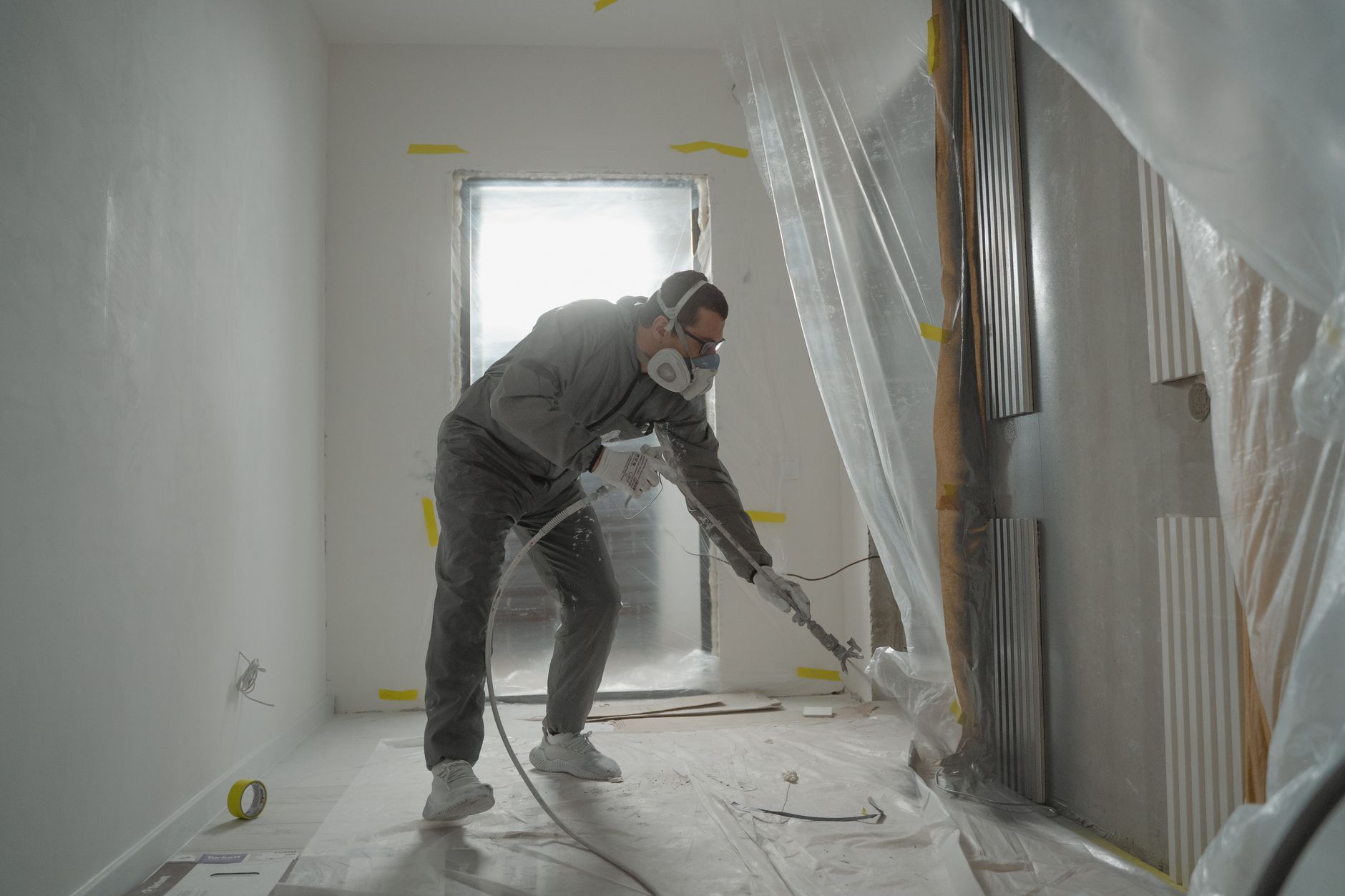
- Spray Painting: Spraying provides the most even coating and is ideal for complex shapes. It eliminates brush marks and reaches into deep crevices easily. However, spray painting requires significant masking of the surrounding area to prevent overspray from landing on windows, cars, or landscaping.
If you choose spray painting, you must work in steady, overlapping strokes to avoid drips or uneven thickness. Applying multiple thin coats is always superior to applying one thick coat, which can lead to sagging or running.
Environmental and Neighborhood Considerations
Before starting a large outdoor project, it is wise to check the rules of your homeowner associations. Some neighborhoods have strict guidelines regarding the colors and types of finishes allowed on exterior metalwork. Adhering to these rules prevents the need for costly repainting later.
Weather plays a critical role in the success of your project. Avoid painting on days when high humidity is expected, as this can trap moisture under the paint. Similarly, avoid painting in direct, intense sunlight, which can cause the paint to dry too quickly and prevent it from leveling out smoothly. A calm, dry day with moderate temperatures is the ideal window for application.
Maintaining the Finished Surface
Once the paint is fully cured, regular maintenance will extend the life of the finish. Periodically cleaning the metal with water and a soft cloth removes salt and pollutants that can degrade the coating. If you notice small chips or scratches, repair them immediately with a matching touch up paint to prevent rust from taking hold. By treating the metal with care, you ensure that gates, railings, and doors remain functional and attractive for many years.